


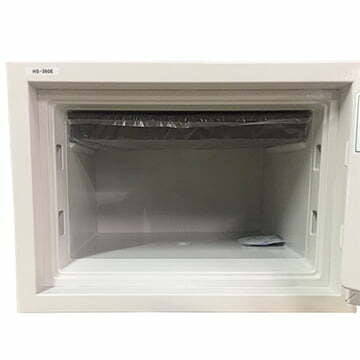
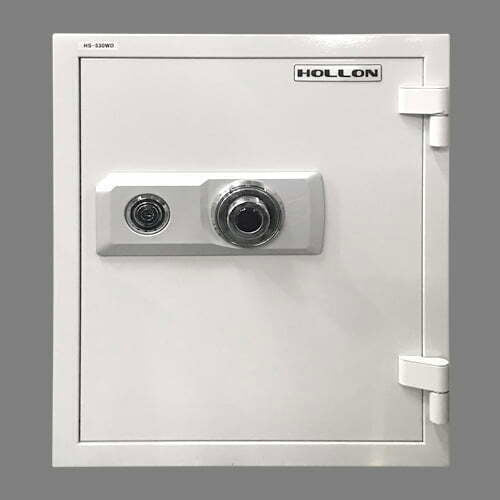
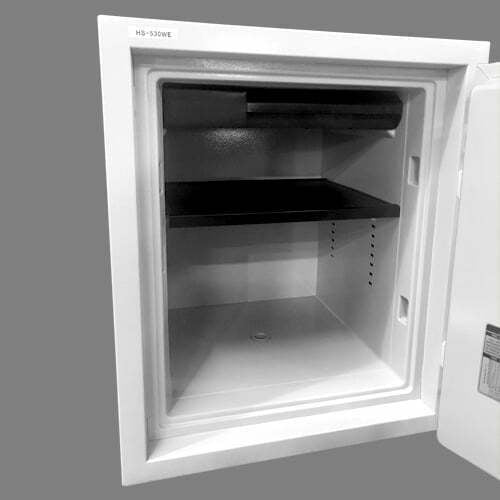
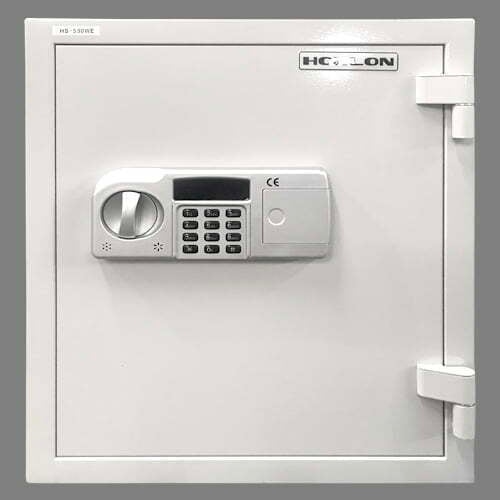

The construction that does the work
Door and body steel. A "B-rate" safe carries a body of at least 1/4-inch steel and a door of at least 1/2-inch. Because the door is the obvious attack point, that is where the material goes.
Active locking bolts. Solid steel bolts — typically four, an inch in diameter — drive into the frame when the door closes. Three-way boltwork on higher-security models engages on multiple edges so there is no single side to pry.
Hardplate and relockers. A drill-resistant hardplate shields the lock. Behind it, a relocker — often a tempered glass plate — shatters under a drill or torch attack and releases spring-loaded bolts that permanently freeze the boltwork. The effect is that defeating the lock stops being a route in at all.
Where a UL rating changes the picture
B-rate describes materials. A UL TL-30 rating describes tested performance: laboratory technicians attack the door and front face with professional power tools and must fail to open it within 30 minutes of net cutting time. For jewelers, pharmacies, firearms dealers and any business holding significant cash or inventory, that independent verification is usually what an insurer is looking for. See High-Security TL-30 Safes.
Matching the safe to the risk
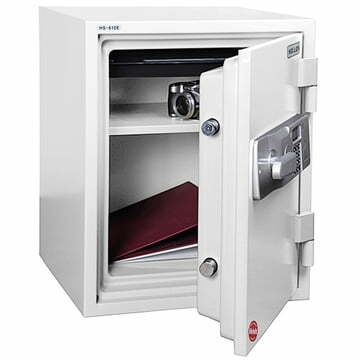
- Household valuables, documents and a handgun — a home or office safe, anchored down.
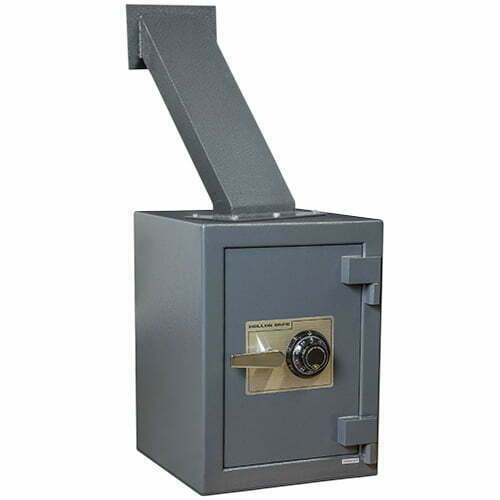
- Daily retail cash with staff who deposit but must not withdraw — a depository or drop safe.
- Long guns — a rack-configured gun safe.
- Concealment above capacity — a wall safe or in-floor safe.
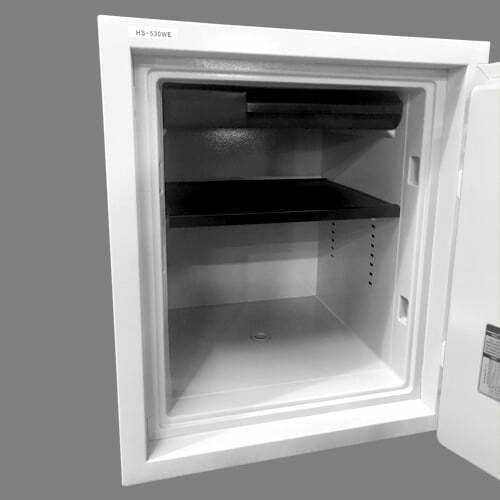
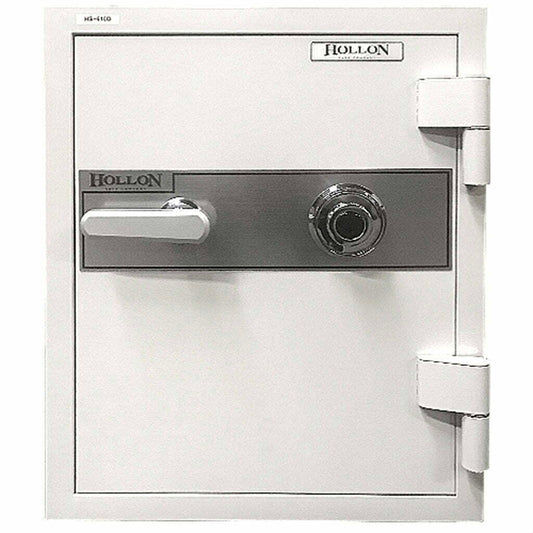
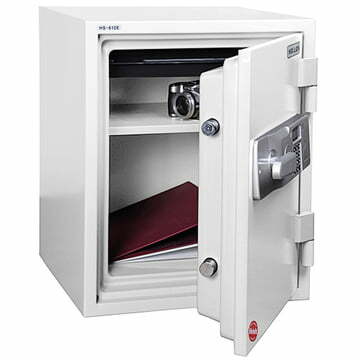
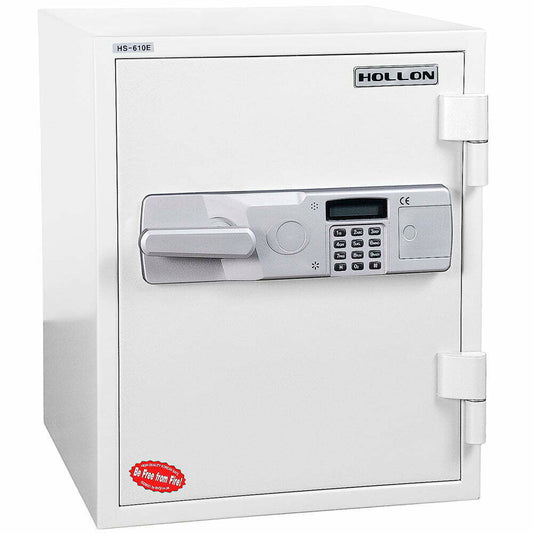
- Documents that must survive a fire as well as a break-in — a fire and burglary safe.
Anchoring is not optional
The most common way a security safe is defeated is not cutting — it is removal. A safe carried away can be opened at leisure with tools and time an intruder would never have on site. Every safe in this range has pre-drilled base holes for anchoring into concrete, a wooden subfloor or heavy shelving. Bolting also prevents tipping, which is how an attacker exposes the weaker rear panel and gains leverage on the door.
Frequently Asked Questions
Which safes here need two people or two keys to open?
The Hayman CashVault CV-F20-K, CV-H13-K, CV-SL8-K and CV-SL12-K require two separate keys at once, and the Hollon HDS-01K and HDS-03K are dual control key safes. Inner-locker models such as the Hayman CV-F30WILK-C and Hollon B3220CILK add a separately keyed compartment inside the main safe.
Is there a small safe for keeping a handgun close at hand?
The Hollon pistol boxes are built for that. The PB10 opens with a touch keypad, runs on 4 AA batteries and includes a backup key; the PB-BIO-2 adds a fingerprint scanner in a 27 lb steel housing.
What warranty comes with a Hayman safe?
Hayman safes carry a 1-year parts and labor warranty. The gun safes and PolyVault floor safes add a lifetime burglary guarantee, and FlameVault models add a free-replacement lifetime fire guarantee.


