

Choosing solar security lighting
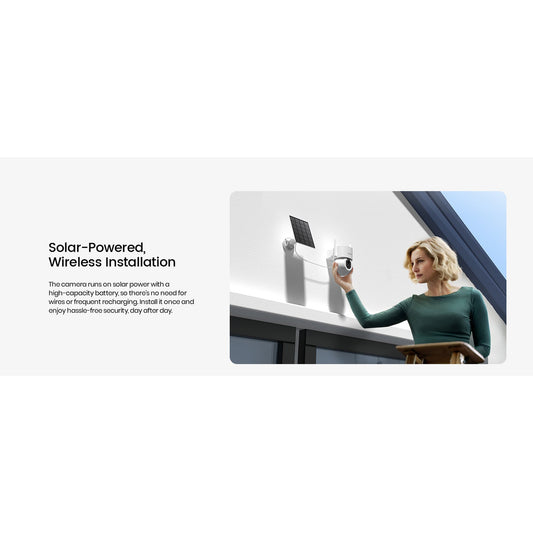
The appeal of solar security equipment is that it goes where mains power does not — a back fence, a detached garage, a gate, a job site — with no trenching, no electrician and nothing added to the electricity bill. The trade-off is that everything depends on the panel getting enough sun.
Panel placement decides whether it works
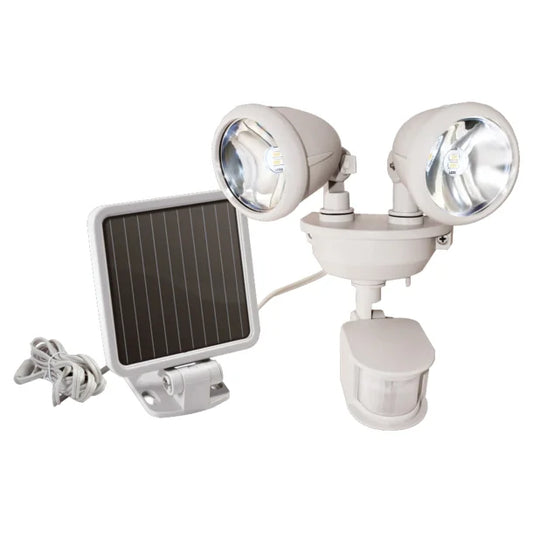
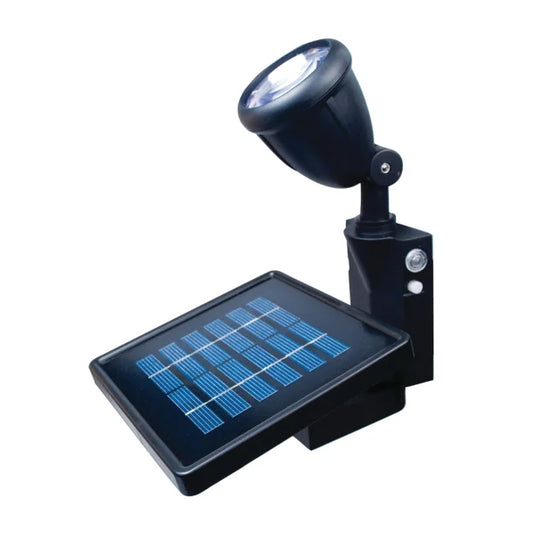
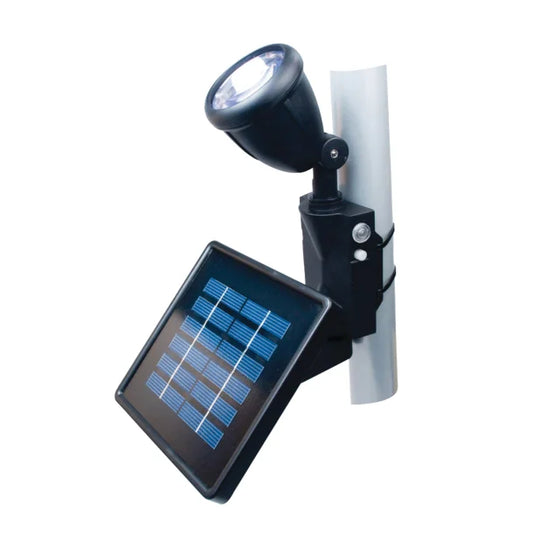
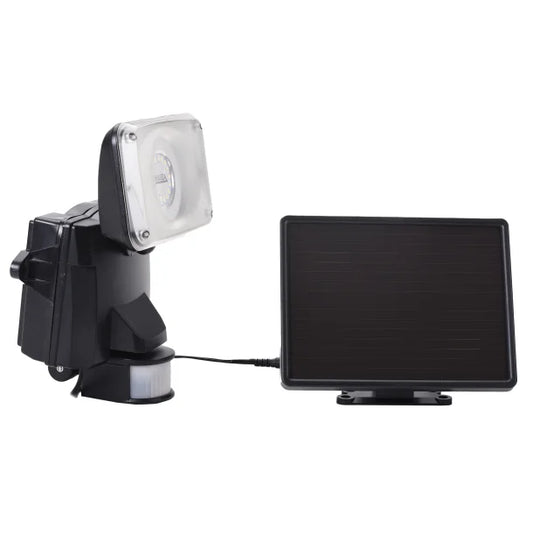
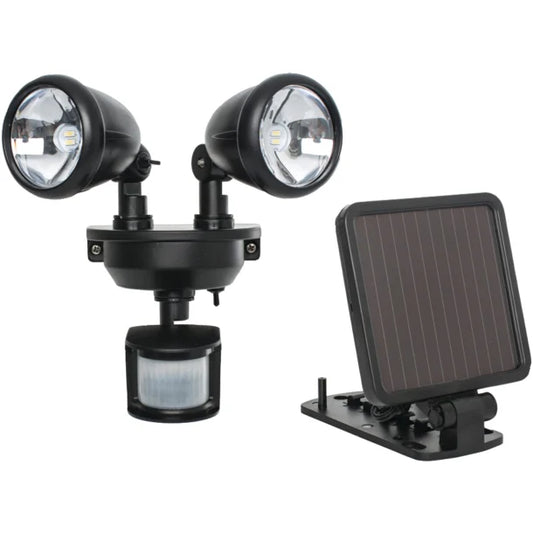
This is the one thing that determines whether a solar light is still working in February. The panel needs several hours of direct, unobstructed sun — and the sun's winter arc is far lower than its summer one, so a position that is clear in June may sit in a building's shadow in December. Where the fixture must go somewhere shaded, choose a model with a separate panel on a cable so the light and the panel can be sited independently.
Motion-activated or dusk-to-dawn?
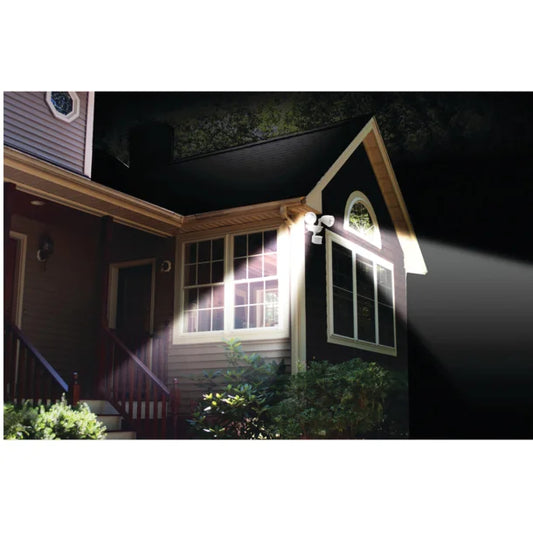
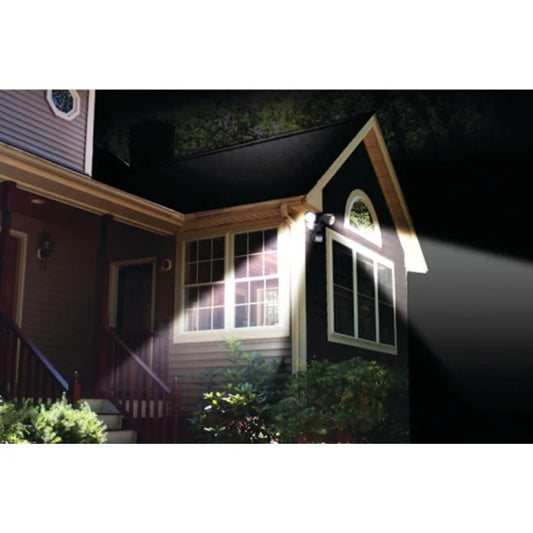
Motion activation gives you full brightness only when something moves, so a smaller battery lasts the night and the sudden change in light is itself a deterrent. Dusk-to-dawn keeps a lower, constant light all night — better for a path, a step or a doorway where you want to see continuously rather than be alerted. Several models do both: a low standby level that jumps to full output on motion, which is usually the best of the two.
Lumens, and what they mean outdoors
Outdoors there are no walls to bounce light back, so a fixture needs considerably more output than the same job indoors. Think about coverage as well as brightness — two moderate fixtures lighting a driveway from both sides eliminate the shadows one bright fixture creates.
Cameras: check the recording model
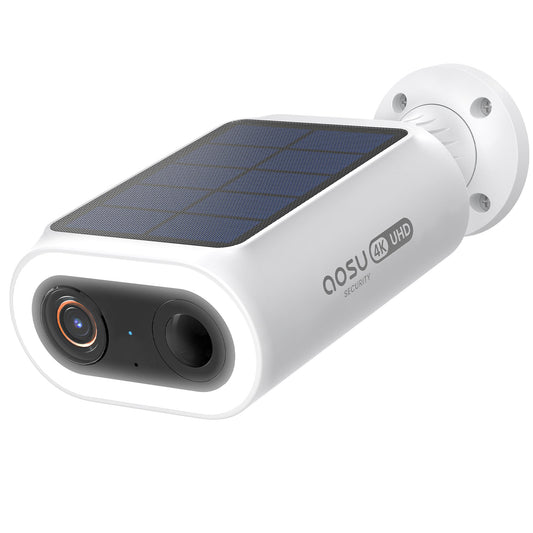
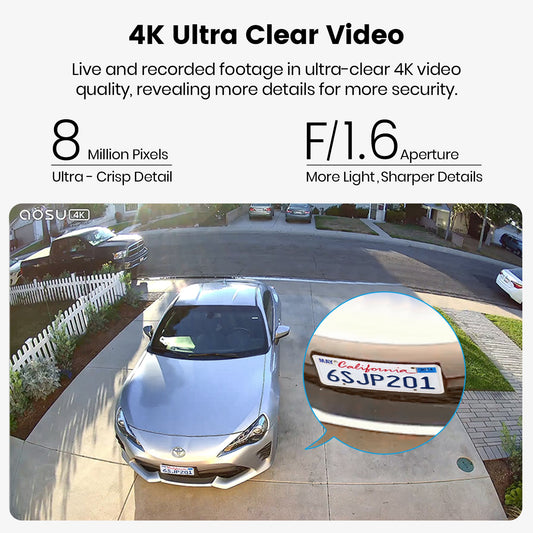
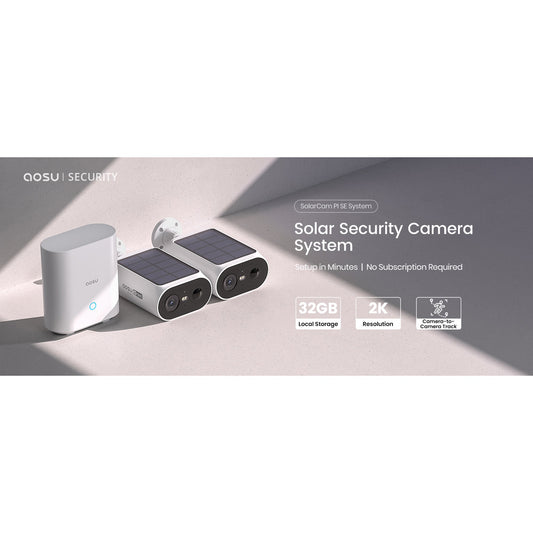
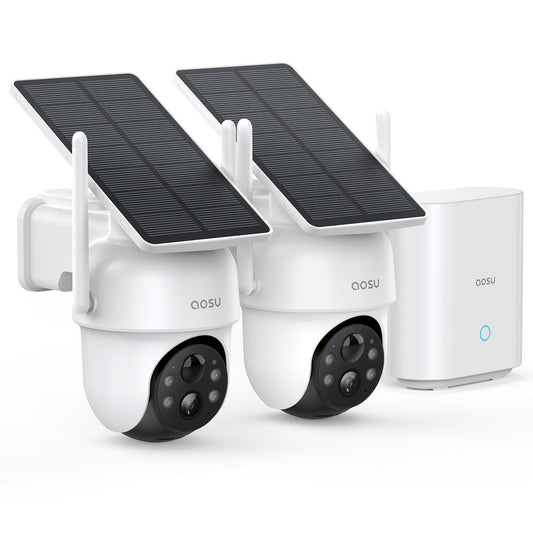
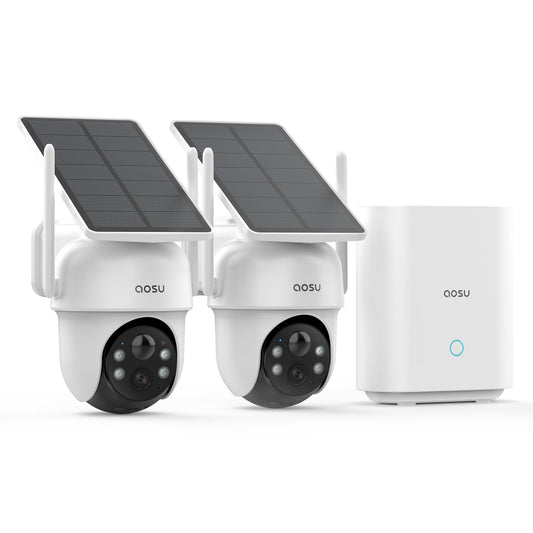
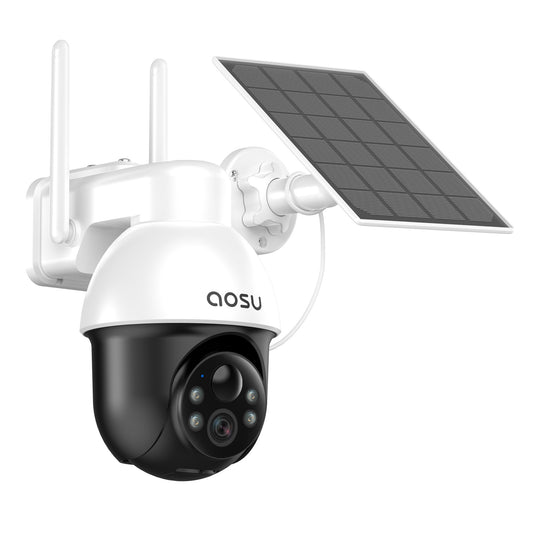
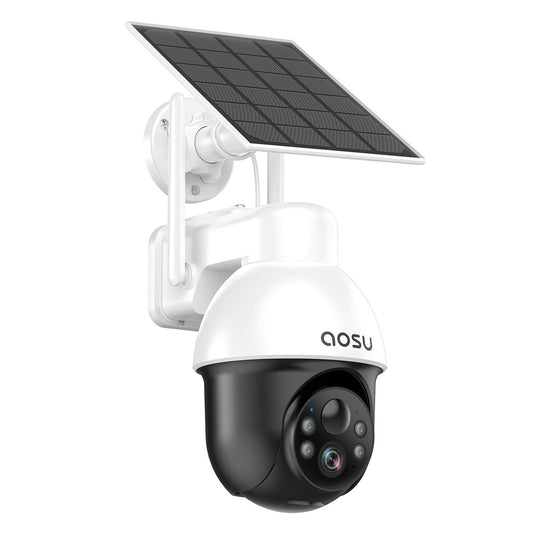
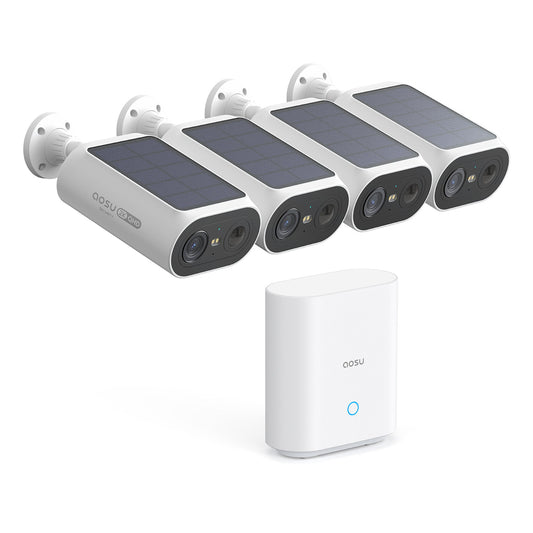
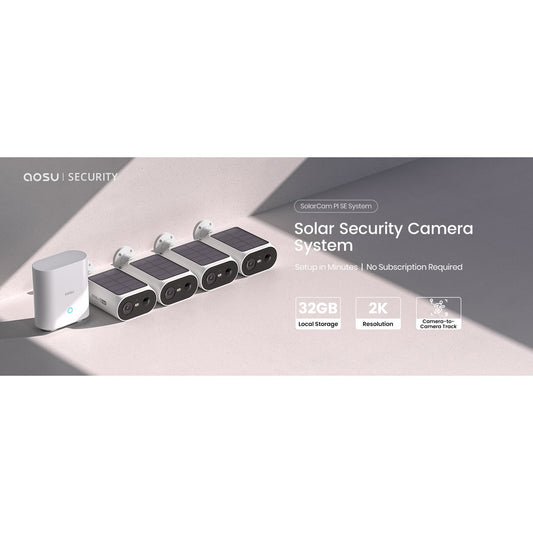
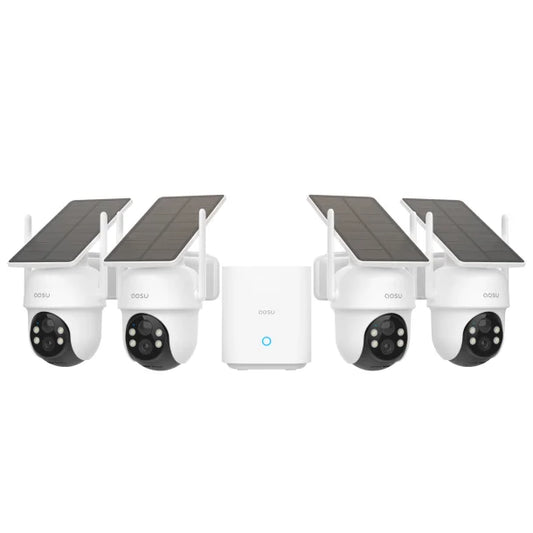
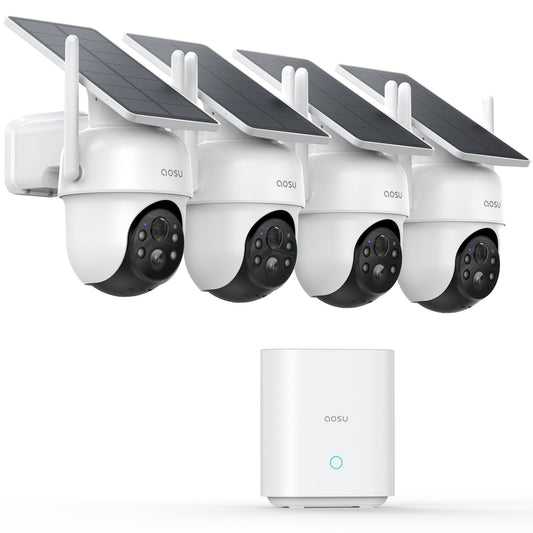
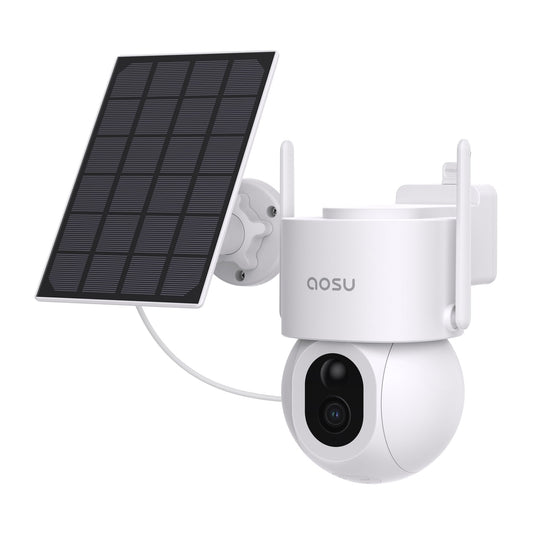
With a solar camera, ask where footage goes and what it costs. Local storage on a card or base station means no ongoing fee; cloud storage usually means a subscription. Also check how the camera connects — most need Wi-Fi reaching the mounting point, which is a common failure at the far end of a driveway. See solar security cameras.
Winter performance
Cold reduces battery capacity and short days reduce charging, so a light that runs all night in July may fade before dawn in January. Fixtures with larger panels relative to their output, or with adjustable brightness, cope best. Every product page lists panel size, battery capacity and output.
Frequently Asked Questions
How far from the light can the solar panel be mounted?
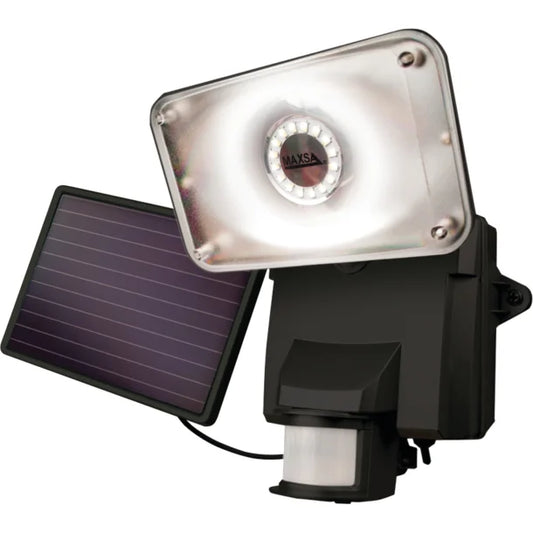
The MAXSA dual-head spotlights (44215, 44218) and the solar flood light (44641) each come with an amorphous solar panel on a 15 ft cable, so the panel can sit in sun while the light is in shade.
Which lights switch on at dusk and which come on with motion?
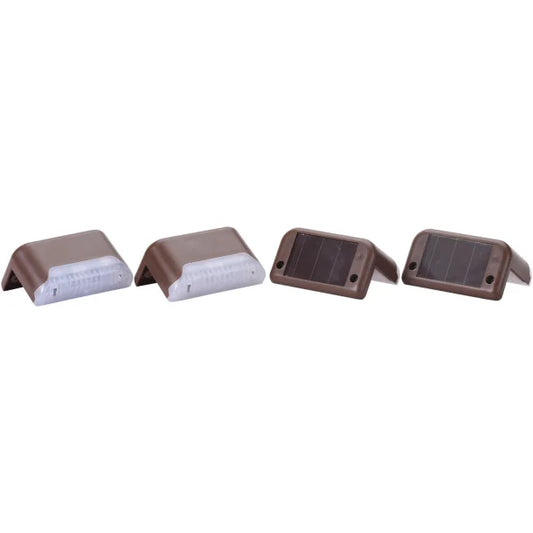
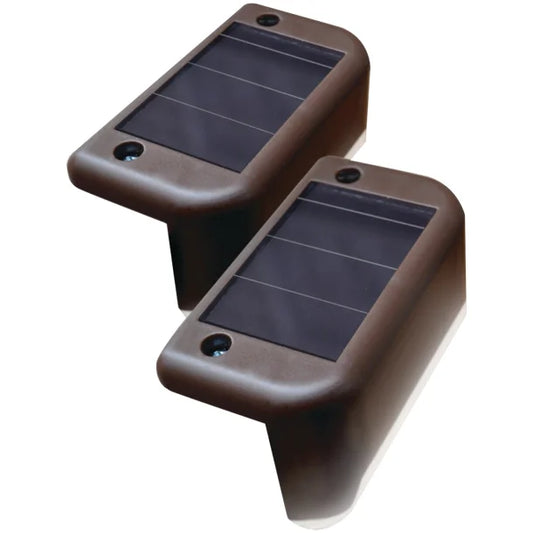
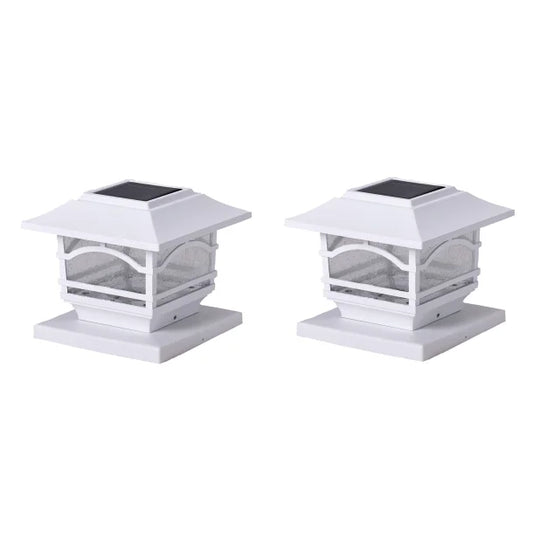
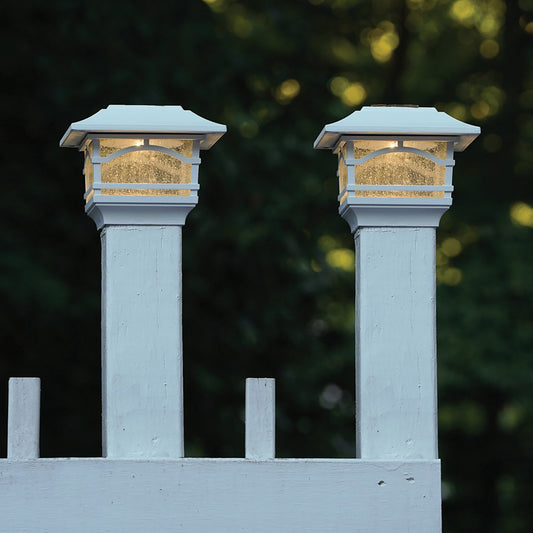
The flag light, deck and step lights and post cap lights switch on automatically at dusk. The dual-head spotlights and the flood light are motion-activated, staying on for 10 seconds to 1 minute per trigger.
Which AOSU cameras record to a HomeBase?
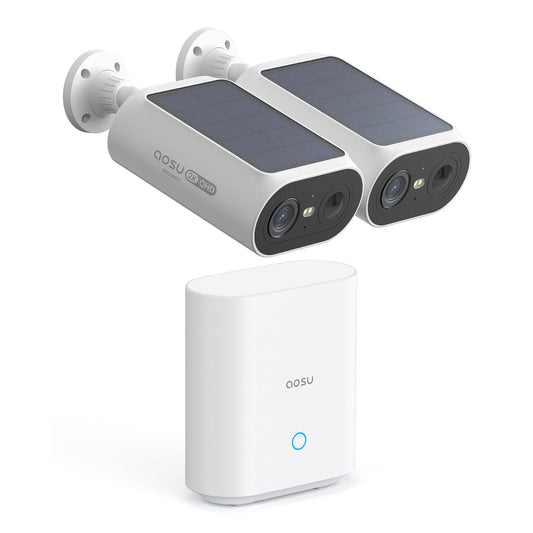
The C8E2DA11 and C9C3CA11 2-packs and the C8E-4H and C9C-4H 4-packs record to an AOSU HomeBase station. The single 4K P1 Max and 3K cameras use a microSD card.


